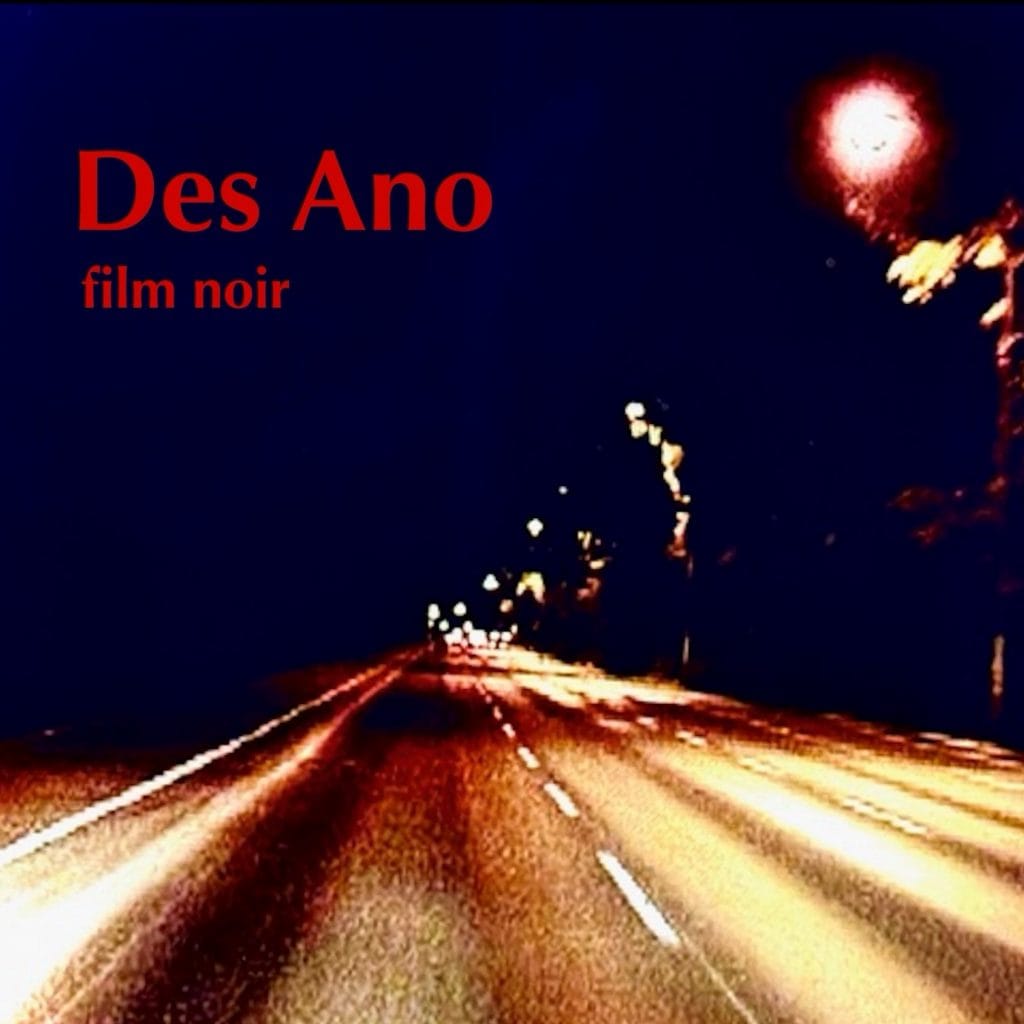
Des Ano Releases “Film Noir (Live)” on Spotify
Austrian musician Des Ano has officially released his song “Film Noir (Live)” on Spotify. With his distinctive fusion of traditional Viennese folk music, electronic sounds, and rap, the artist once again demonstrates his creative approach to contemporary music.
A Unique Blend of Viennese Folk Music, Electronic Sounds, and Rap
Over the years, Des Ano has built a reputation for his extraordinary musical style. His work combines the rich tradition of Viennese folk songs with modern electronic elements and urban rap influences. This rare combination creates a unique sound that continues to attract attention both in Austria and internationally.
“Film Noir (Live)” Available Now
With the live version of “Film Noir,” Des Ano brings the special atmosphere of his performances directly to streaming audiences. The track is now available on Spotify and highlights the artist’s remarkable versatility and creativity.
International Recognition for Des Ano
Thanks to his innovative musical approach, Des Ano has earned a strong reputation beyond Austria’s borders. His ability to blend tradition and modernity makes his music a compelling experience for fans of sophisticated German-language music.

Für K.: Neue Geschichten und Bilder für Franz Kafka
Herausgegeben von Otto Brusatti, echo medienhaus. Buch ISBN: 9783903989573
Wie erweist man einem Franz Kafka, und noch dazu zu dessen 100. Todestag, die Reverenz? Er hat die Literatur geprägt wie wenige. Kaum eine Schriftstellerin/Poetin, kaum ein Schriftsteller/Poet, ja kaum Künstlerinnen oder Künstler sonst können sich seinem Geschriebenen entziehen. Herausgeber Otto Brusatti hat es gewagt und bat 17 Künstlerinnen und Künstler um ihren persönlichen Beitrag zu Franz Kafka. Die Form sollte keine entscheidende Rolle spielen. Es konnte sich um eine Erzählung, eine Novelle, eine Parabel handeln, aber um kein dramatisches Stück und auch keine etwa Weiterformulierung oder gar Fortschreibung eines Kafka-Torsos (so es den dichterisch bei ihm überhaupt gibt); aber Kafka sollte Anstoß, geheime Idee, gar Vorbild dafür sein. Theodora Bauer, Arno Geiger, Max Gruber, Monika Helfer, Bodo Hell, Paulus Hochgatterer, Franz Hohler, Radek Knapp, Natasha Korsakova, Thomas Macho, Kurt Palm, Rafik Schami, Stefan Slupetzky, Edgar Tezak, Renate Welsh und Anton Zeilinger erklärten sich zu einen Beitrag bereit. Das Ergebnis kann in diesem Band nachgelesen werden: Die Beiträge sind höchst unterschiedlich. Fast niemand aber konnte oder wollte sich Kafka-Vorbildern (vor allem aus manchen Erzählungen oder aus dem Roman „Der Prozeß“) entziehen.